News
View AllImportant updates that may impact your orders and the metals market
Blogs
View AllInsights, analysis, and perspectives on the precious metals market
Guides
View AllStep-by-step resources to help you buy and sell with confidence
New to Metals?
Start with the basics and learn how precious metals work
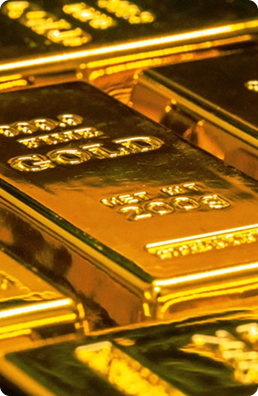
What Are Precious Metals
Gold, silver, platinum, and palladium. These are rare, naturally occurring metals valued for their scarcity, durability, and historical role as money. Each has distinct market dynamics, industrial uses, and investment characteristics.
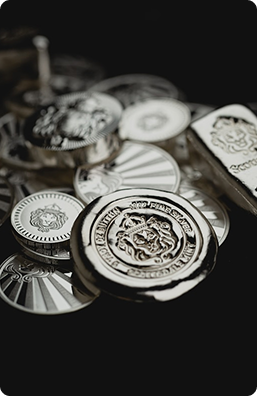
Why Do People Buy Gold and Silver
Investors buy precious metals to preserve wealth, hedge against inflation, diversify beyond stocks and bonds, and hold tangible assets outside the banking system. The reasons vary. The principle is the same.
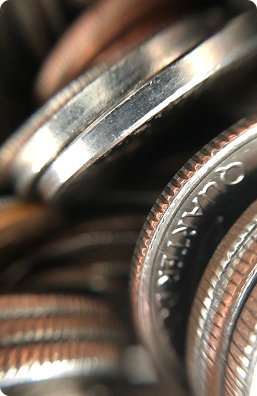
Coins vs. Bars vs. Rounds
Coins are government-minted with a face value and the highest recognition. Bars are refined metal in standardized weights and typically carry the lowest premiums per ounce. Rounds are privately minted, coin-shaped, and carry no face value. Each has different premiums, liquidity, and collectibility.
Understanding Spot Price
The spot price is the current market price for one troy ounce of a metal, set by global exchanges like the COMEX and the LBMA. It changes throughout the trading day based on supply, demand, macroeconomic data, and geopolitical events.
What Is a Premium
The premium is the cost above spot price. It covers minting, refining, distribution, insurance, and dealer margin. Coins typically carry higher premiums than bars. Smaller sizes carry higher premiums per ounce than larger ones.

How to Store Your Metals
Options include home storage (safe or vault), bank safe deposit boxes, and third-party depositories. IRA-held metals must be stored in an IRS-approved depository. Each option has trade-offs between access, security, cost, and privacy.